Advanced Knee Preservation & Arthroplasty

Total Knee Replacement

Total Knee Replacement is a highly successful surgical intervention aimed at replacing damaged joint surfaces to relieve severe, chronic pain and fully restore mechanical mobility.

95%

Success Rate

Premium

Biocompatible Implants

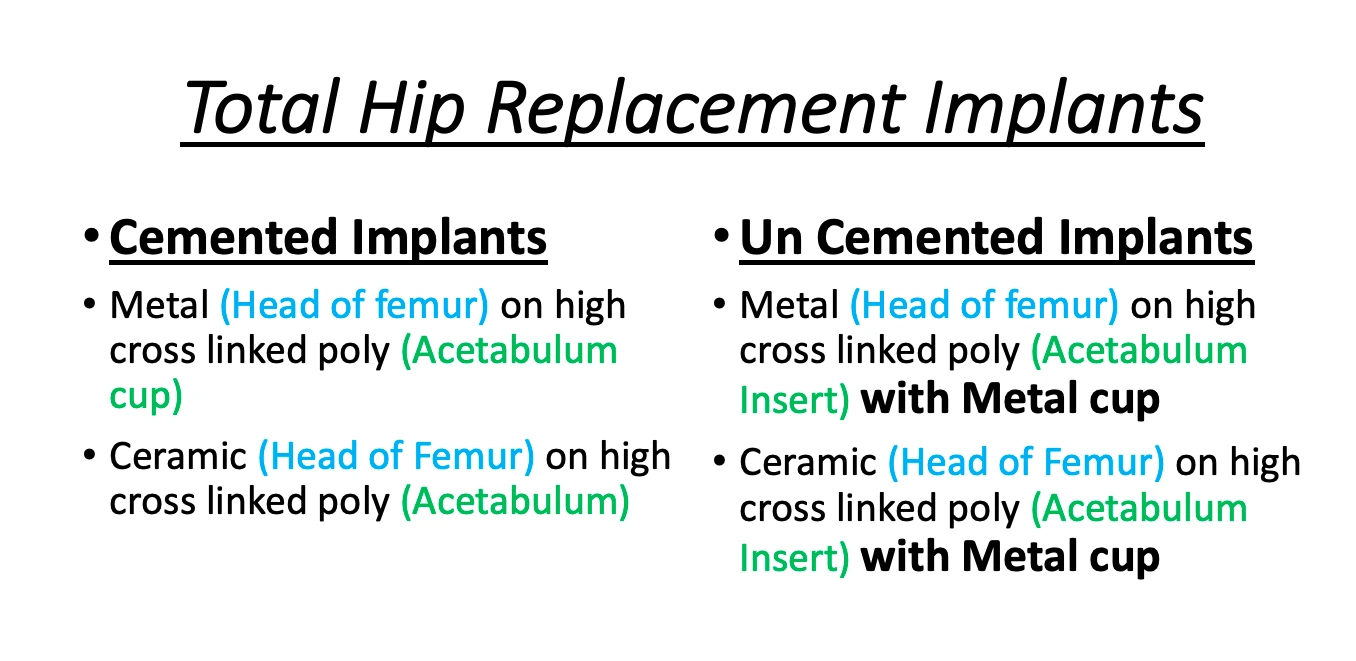
Total Knee Replacement Precision Visual
Advanced Arthroplasty
Mobility Restored
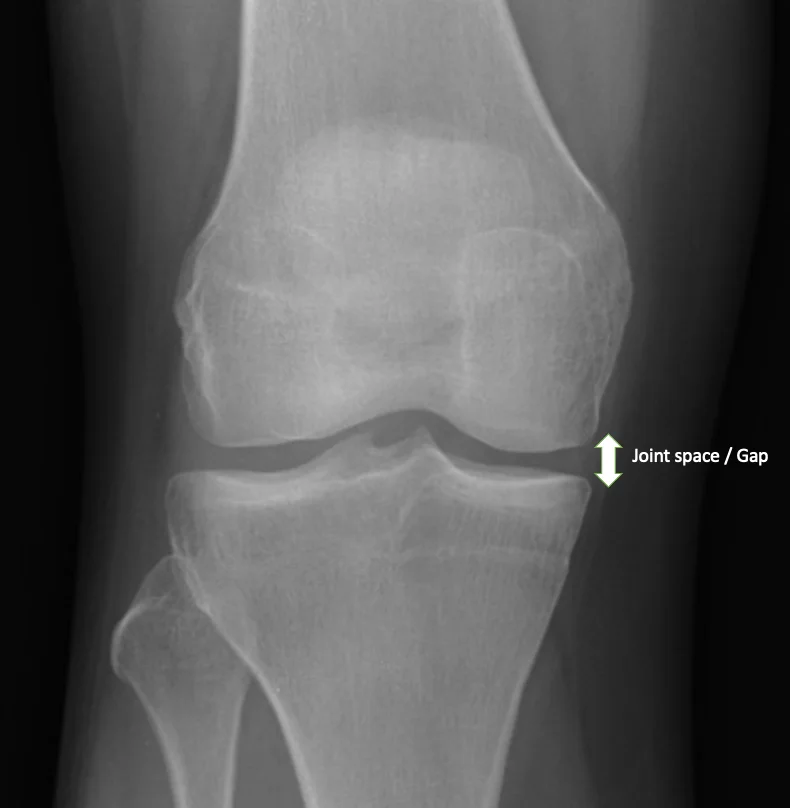
Clinical Evaluation of Knee Alignment
Introduction

Total Knee Replacement Introduction

Total Knee Replacement is an incredibly effective surgical procedure designed to address severe wear and tissue degradation within the knee joint. This intervention helps eliminate chronic, debilitating pain and improves dynamic performance for individuals whose joints have been structurally altered by progressive conditions or previous traumatic impact.

By resurfacing the broken-down biological interfaces with high-performance biocompatible prosthetics, individuals can safely return to active lifestyles, complete daily movements comfortably, and enjoy a vastly superior quality of life.
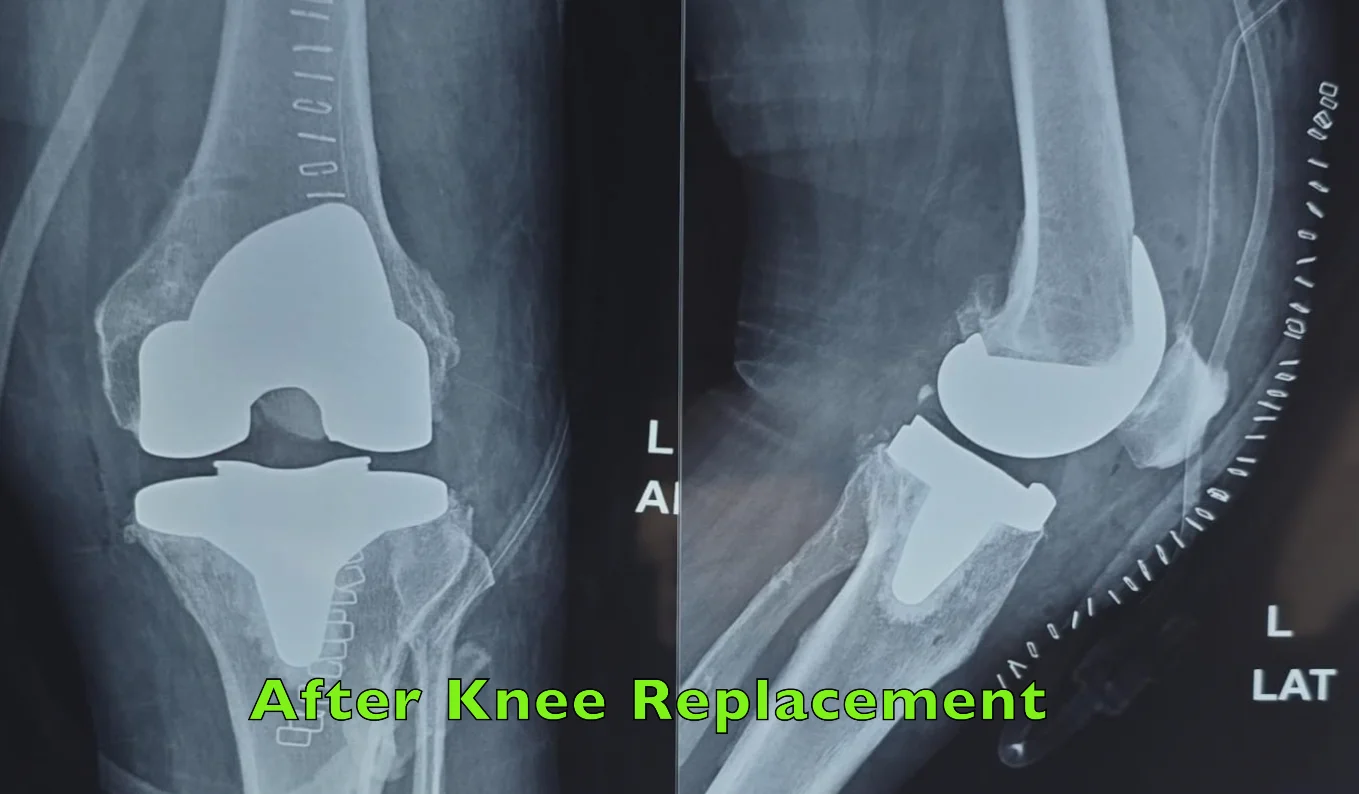

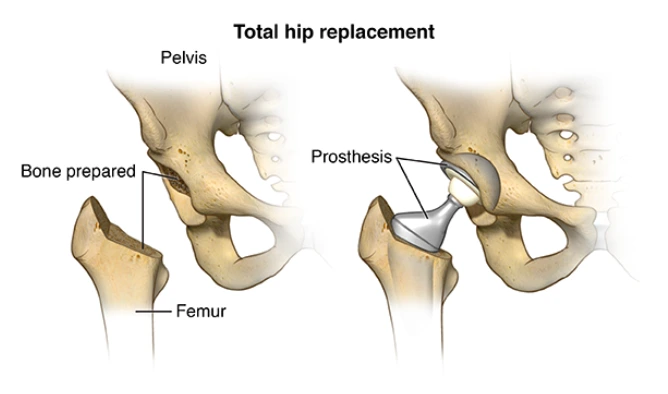
Structural Architecture of a Knee Prosthetic
Mechanism

What is Total Knee Replacement (TKR)

Total Knee Replacement, or knee arthroplasty, involves removing the damaged cartilage and bone from the surface of the knee joint and replacing them with premium artificial components. Rather than replacing the entire joint structure layout, the procedure essentially functions as an advanced resurfacing of the bone ends.

The metal and durable polyethylene plastic components are meticulously shaped to replicate the natural, low-friction gliding motion of a healthy joint, providing immediate mechanical stabilization and structural realignment.

Clinical Etiology

Knee Arthritis & Joint Damage

Severe joint breakdown that prompts a total knee reconstruction typically stems from progressive degenerative arthritic conditions:

01

Osteoarthritis

The continuous mechanical breakdown of protective articular cartilage surfaces, causing painful bone-on-bone friction and restricted joint movement.

02

Rheumatoid Arthritis

A systemic autoimmune condition causing chronic synovial inflammation that aggressively destroys joint cartilage and subchondral bone layers.

03

Post-Traumatic Arthritis

Accelerated joint degradation following an acute injury, such as a severe knee fracture or major ligament tear, that permanently alters tracking mechanics.

Patient demonstrating knee stiffness and localized pain indications
Symptomatology

Symptoms Requiring Knee Replacement

When conservative treatments no longer provide sufficient relief, structural knee breakdown displays distinct clinical symptoms:

  • Severe knee pain or stiffness that severely limits walking, climbing stairs, or rising from a seated position
  • Moderate-to-severe knee pain while resting, which may disrupt normal sleep cycles
  • Chronic knee inflammation, swelling, and joint warmth that fails to improve with medication or rest
  • Visible joint deformity, such as a pronounced bowing in (genu varum) or knocking out (genu valgum) of the knee
  • A significant reduction in quality of life due to an inability to perform routine daily activities
Diagnostic Process

Diagnosis & Evaluation

A comprehensive physical examination paired with diagnostic imaging ensures precise pre-operative sizing and structural mapping.

Clinical Assessment

Biomechanical Evaluation

Your orthopedic surgeon will meticulously review your medical history, assess overall joint stability, measure active range of motion, and analyze walking gait mechanics.

Radiological Profiling

Digital X-Ray Imaging

Weight-bearing digital X-rays are utilized to determine the exact extent of joint space narrowing, bone deformity, and bone spur formation.

Surgical Dynamics

Biomechanical Presentation of Total Knee Joint Replacement

Watch this complete, professionally curated video presentation detailing the mechanical principles of total knee arthroplasty. Observe how specialized prosthetic components interface to re-establish proper lower limb alignment, manage structural stability, and enable fluid, friction-free extension and flexion.

  • Femoral component precision positioning
  • Tibial tray stabilization and insert mechanics
  • Patellar resurfacing and alignment optimization
Supporting surgical theater visualization of precise joint resurfacing alignment
The Operating Suite

Total Knee Replacement Procedure

The procedure is typically performed under general anesthesia or spinal block with customized sedation. The surgeon makes an incision on the front of the knee to gain access to the damaged joint structures while taking care to preserve surrounding musculature.

Specialized precision instrumentation is used to remove the worn cartilage surfaces and a minimal amount of underlying bone from the ends of the femur and tibia. The bone ends are then meticulously shaped to match the contours of the premium prosthetic components, which are securely fixed in place using high-grade bone cement or press-fit biological fixation. The patella may also be resurfaced depending on individual joint wear.

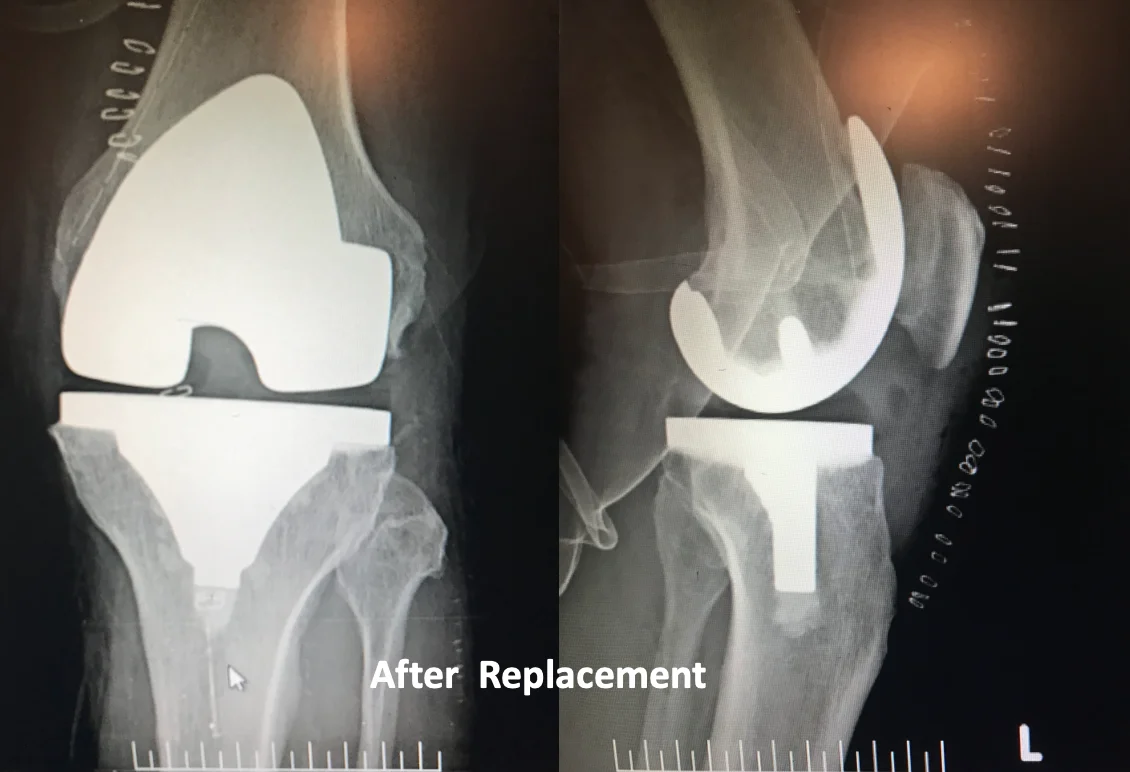
Supporting visual of high-performance biocompatible component architecture
Engineering Innovation

Implants & Advanced Technology

Modern TKR utilizes elite, medically advanced component designs engineered to maximize the longevity and natural feel of the replacement joint:

Prosthetics are composed of highly biocompatible materials including cobalt-chromium alloys, titanium, and premium medical-grade cross-linked polyethylene plastics. Advanced sizing options and advanced alignment technologies allow the surgical team to perfectly tailor the implant orientation to match your unique skeletal anatomy.

Surgical Outcomes

Benefits of TKR

Total knee reconstruction yields highly predictable mechanical results, enabling patients to confidently resume normal daily routines:

Profound Pain Eradication

Eliminates the chronic, grinding bone pain caused by severe arthritis, providing long-term relief and comfort.

Restored Range of Motion

Corrects physical deformities and restores joint flexibility, allowing for smooth bending, walking, and climbing.

Return to Active Living

Enables patients to comfortably enjoy low-impact sports, travel, and complete daily tasks independently.

Supporting visual of a patient successfully engaging in active post-op recovery exercises
Post-Operative Care

Recovery & Rehabilitation

Early physical therapy and immediate, managed mobilization are foundational components of a successful long-term recovery timeline. Walking and targeted knee exercises are initiated as early as the first post-operative day to promote circulation and prevent stiffness.

A structured, customized rehabilitation program focuses heavily on rebuilding quadriceps and hamstring muscle strength, restoring full knee flexion and extension, and retraining proper walking gait. Most patients transition away from assistive walking devices within 3 to 6 weeks and resume complete, non-impact daily routines by 6 to 12 weeks post-surgery.

Patient Education

FAQs

Find clear, reliable answers to common medical questions regarding Total Knee Replacement procedures.

Due to significant advancements in medical materials and surgical design technology, modern total knee replacements are exceptionally durable. Clinical registries show that more than 90% to 95% of modern knee implants continue to function perfectly well for 15 to 20 years or more.
Most individuals can safely resume driving within 4 to 6 weeks, provided they have regained adequate muscle reaction times and are completely off narcotic medications. Patients with sedentary desk jobs can often return to work within 4 to 6 weeks, while physically demanding roles may require 3 months.
Yes, experiencing a patch of skin numbness along the outer edge of the surgical incision is quite common. This happens because small skin nerves are inevitably divided during the initial approach. It rarely impacts joint function and typically minimizes over several months.
While kneeling will not damage the premium internal prosthetic components, some patients may find the sensation slightly uncomfortable or unusual at first. Kneeling on soft pads or cushions is completely safe and becomes easier as local tissue healing finishes and hypersensitivity fades.

Eliminate Chronic Joint Pain and Reclaim a Completely Active Lifestyle

Schedule a personal clinical evaluation with our elite orthopedic team to thoroughly analyze your joint health and map out your optimal path to smooth, pain-free mobility.