
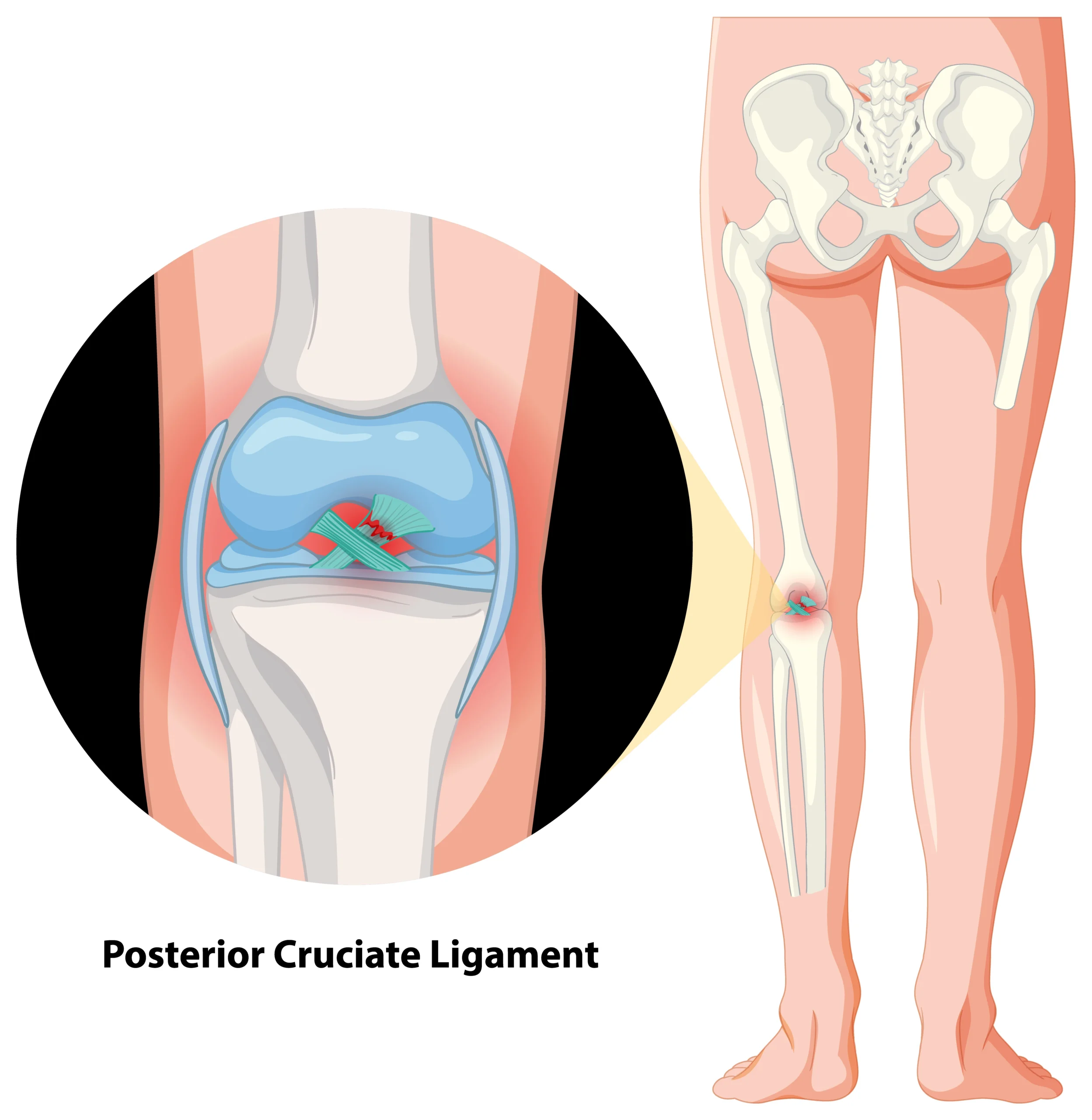
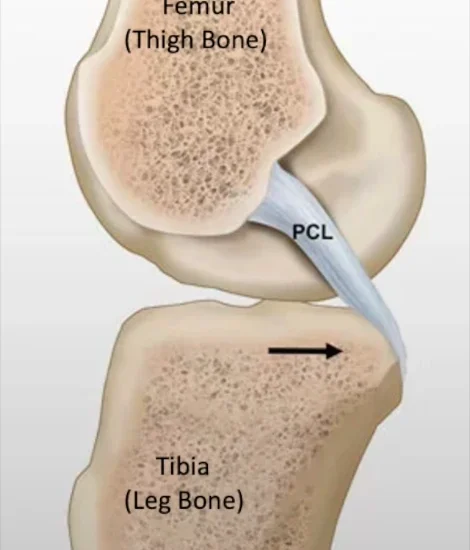
Posterior cruciate ligament (PCL) runs along the back of your knee and connects your thighbone to the top of your lower leg bone. PCL Ligament keeps your bones in place and helps your knee move smoothly. When the PCL is sprained or torn, it's called a posterior cruciate ligament injury. People with a PCL injury will have pain, swelling and other symptoms
Posterior cruciate ligament injuries are common among skiers and athletes who play baseball, football, wrestling or Dash board injury following road traffic accident.
Posterior cruciate ligament injuries are far less common than ACL. In fact, PCL injuries accounts for less than 20% of all knee ligament injuries. Most commonly, PCL tears occur with other ligament injuries. Isolated PCL tears are even less common.
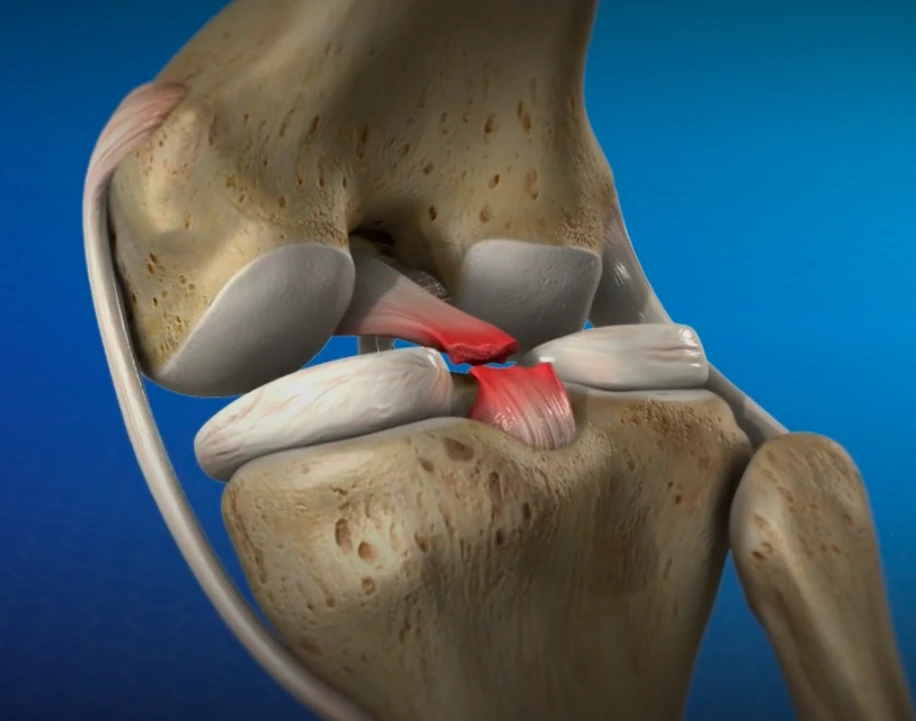
In partial PCL tears, people may still be able to walk and their symptoms may be less noticeable. However, after complete PCL tear people have severe difficulty walking and some even can't weight bear and tends to fall down.
PCL injuries usually occur with severe knee trauma. You may develop a problem with your PCL if you:
Fall onto a bent knee.
Hit hard on the front of your knee (dashboard injuries in a motor vehicle accident).
Bend your knee too far backward.
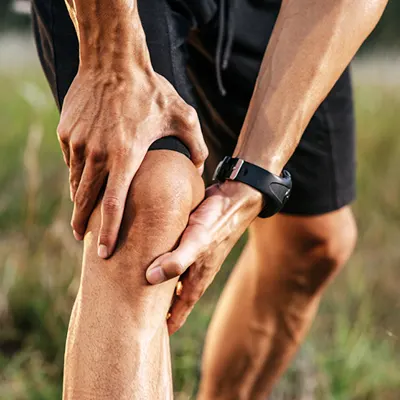

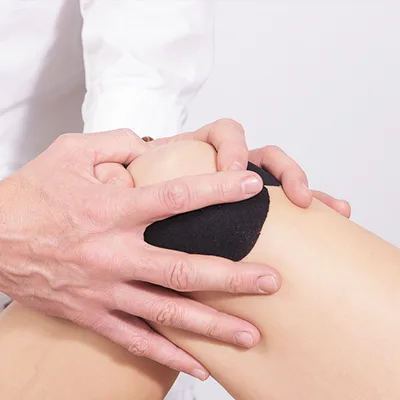
Doctor will examine your knee, check your range of motion and ask about your symptoms.
Special Tests to Diagnose PCL tear :
Posterior Drawer Test
Posterior Lachman Test
Quadriceps Active Test
It depends on the severity of your PCL injury.
Common posterior cruciate ligament treatments include:
Crutches/ Walker : Use of walker or crutches to limit how much weight you put on your knee.
Knee brace: Long knee immobiliser application so as to stabilise knee joint.
Physical therapy: Exercises can help strengthen and stabilize your knee.
Surgery: If PCL injury is severe, like in complete PCL tear or in partial tear who complaints of knee buckling (loss of knee balance while walking) surgery may be necessary for full rehabilitation.
In most cases, knee arthroscopy is performed to reconstruct your ligament. This procedure is less invasive compared to traditional surgical methods.
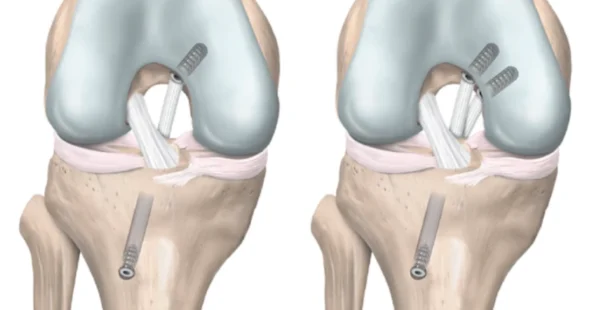
Though complications are rare, there are certain risks associated with knee arthroscopy.
These include:
surgery to repair or reconstruct PCL, recovery could take about six to nine months.
If you've injured your PCL, there are ways to ease discomfort and promote healing.
Recommendations include:
Rest: Avoid any activity that places unnecessary stress on your knee.
Ice: Apply a cold compress to the knee for 15 minutes, four times a day.
Compression: Wrapping your knee in an elastic bandage helps reduce swelling.
Elevation: Prop your leg up on a pillow so it's above the level of your heart.
Pain relievers: Take non-steroidal anti-inflammatory drugs (NSAIDs) to ease pain and swelling.
If your PCL injury is minor, you may heal without any surgery and with out any complications.
If the ligament sustained severe damage, your knee could become weak and prone to re-injury unless you have surgery.
People who undergo PCL surgery enjoy improved stability and mobility following recovery.
Recovery times vary depending on the severity of the injury. Minor tears may take a few weeks, while surgical cases can take 6 to 9 months before return to full sports activity.
You can protect your knees by strengthening your leg muscles (especially the quadriceps), maintaining proper technique during high-impact sports, and using supportive protective gear.
You should consult a specialist immediately if your knee buckles or locks, if you cannot bear weight, or if you experience rapid onset swelling and extreme localized pain after an impact.

Although PCL injuries can be painful and debilitating, they can be treated successfully with proper care. Neglecting PCL injuries can lead to cartilage and meniscus damage further preponing knee osteoarthritis.
Its wise to listen to your healthcare provider's recommendations in order to speed up your recovery so you can return to normal life.