Advanced Joint Replacement

Reverse Shoulder Arthroplasty

Reverse Shoulder Arthroplasty is a specialized surgical procedure designed to restore comfort and function to individuals suffering from complex shoulder conditions, particularly those involving severe arthritis combined with a non-functional or torn rotator cuff.

Full

Joint Re-alignment

Elite

Surgical Precision

Optimal

Functional Restoration

Reverse Shoulder Arthroplasty Main Interface Visual
Advanced Arthroplasty
Deltoid Optimization
Clinical Identification of Shoulder Mechanics
Introduction

Reverse Shoulder Arthroplasty Introduction

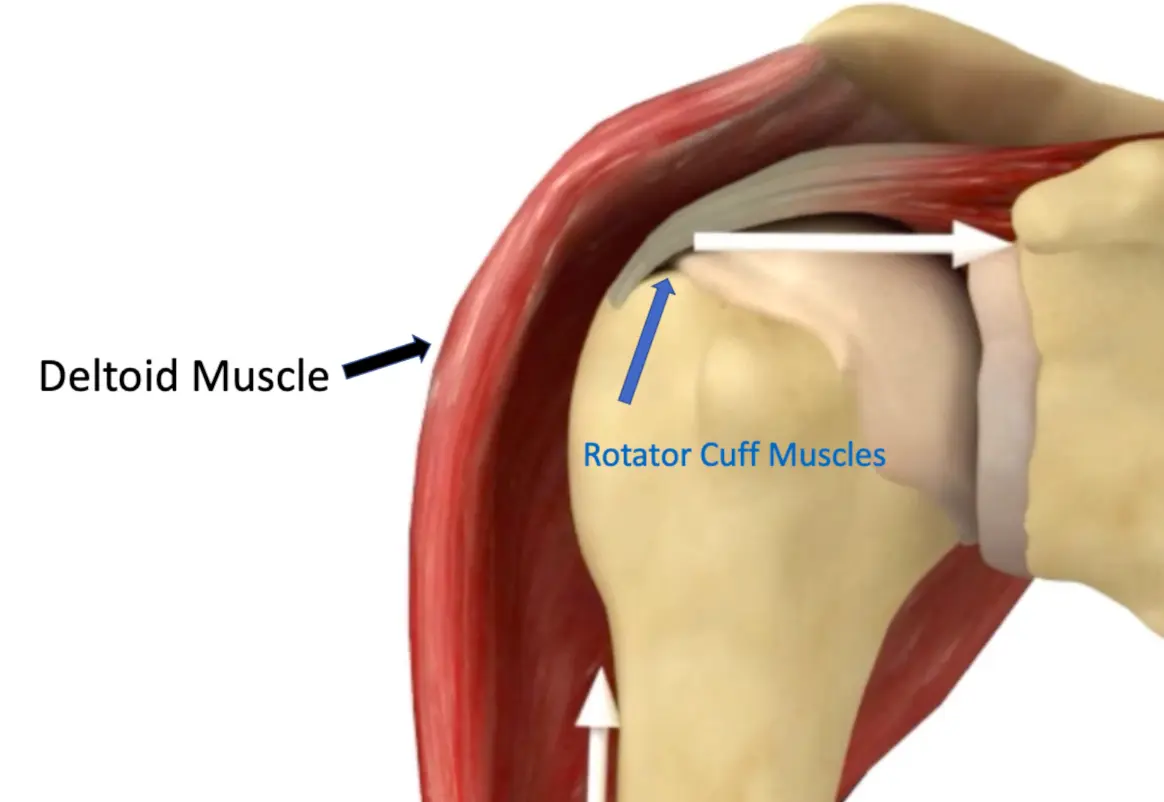
Unlike a traditional shoulder replacement, which mimics the natural anatomy of the joint, a reverse shoulder replacement reverses the orientation of the ball and socket components. This mechanical alteration allows the shoulder to bypass a damaged rotator cuff and rely instead on the deltoid muscle to lift and rotate the arm.

This innovative procedure has revolutionized the treatment of severe shoulder disease, offering predictable pain relief and functional improvement for patients who previously had limited therapeutic options. Understanding the indications, surgical process, and rehabilitation protocol can help patients make informed choices regarding their joint health.
Anatomical Profile of Reverse Shoulder Components
Mechanism

What is Reverse Shoulder Arthroplasty

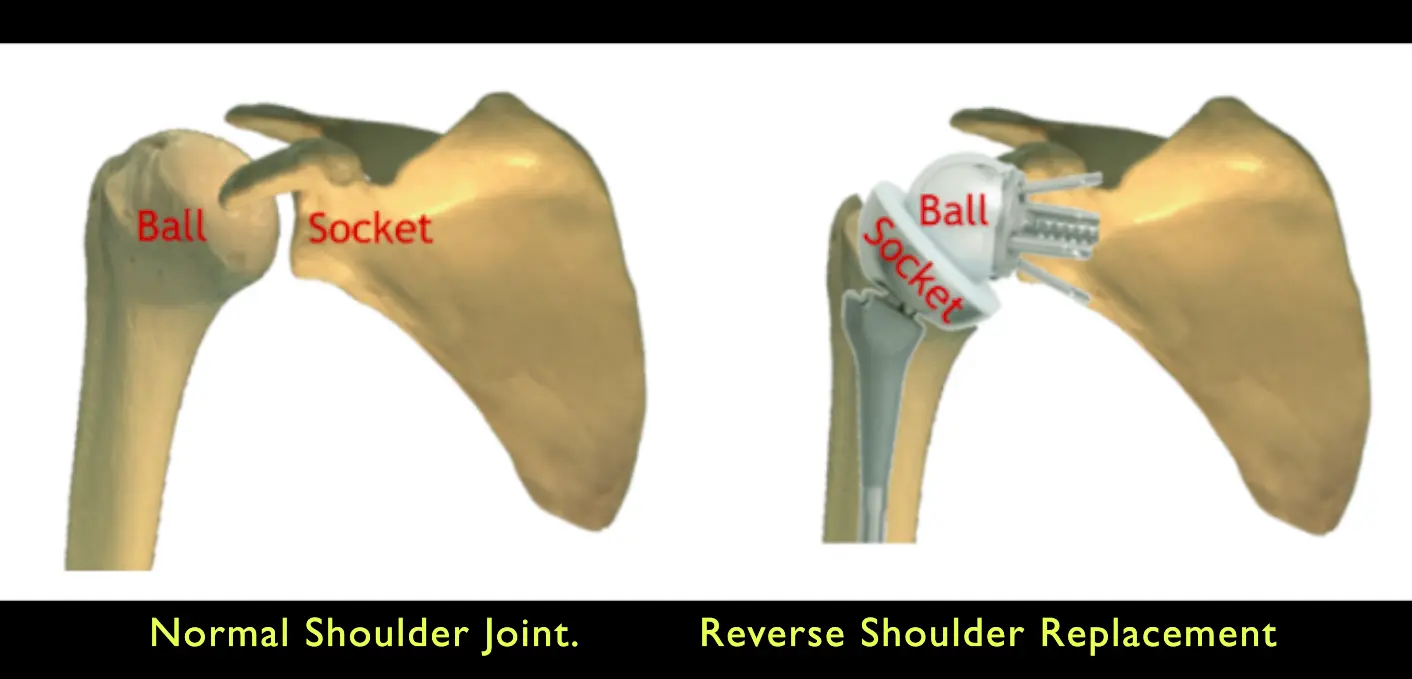
In a standard shoulder joint, a ball-shaped bone at the top of the arm fits into a shallow socket in the shoulder blade. A conventional total shoulder replacement replaces these parts with anatomically matched prostheses. However, for this to function properly, a healthy, intact rotator cuff is necessary to stabilize and move the joint.

In Reverse Shoulder Arthroplasty, a metallic ball is attached to the shoulder blade socket (glenoid), and a plastic socket is fitted to the top of the upper arm bone (humerus). By reversing this positioning, the joint’s fulcrum is shifted, enabling the powerful deltoid muscle to take over the role of the damaged rotator cuff, successfully restoring arm elevation and functional mobility.

Clinical Candidacy

Who Needs Reverse Shoulder Arthroplasty

This advanced joint replacement technique is primarily designated for individuals experiencing severe shoulder dysfunction that cannot be resolved through standard medical management or conventional surgical means:

01

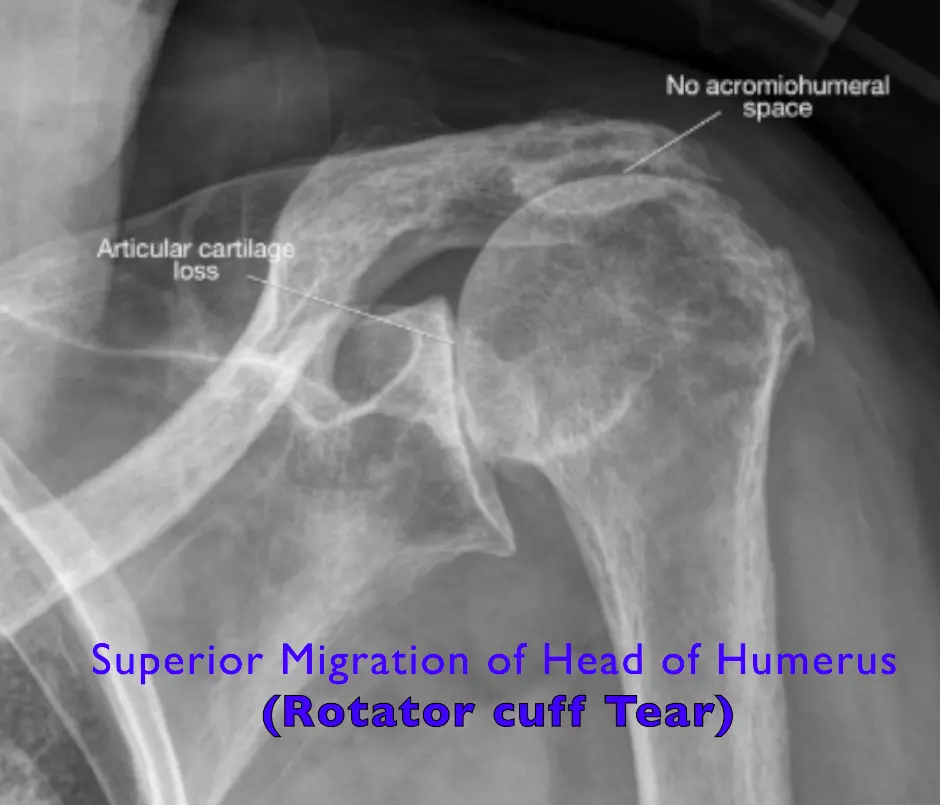
Rotator Cuff Tear Arthropathy

Severe arthritis resulting from a long-standing, massive, and irreparable rotator cuff tear that leaves the joint structurally compromised and unstable.

02

Complex Fractures

Severe or comminuted proximal humerus fractures, particularly in older individuals, where standard surgical fixation options are unlikely to succeed.

03

Failed Prior Surgeries

Revision of a previous standard total shoulder arthroplasty or hemiarthroplasty that has failed due to component loosening, stability loss, or cuff deficiency.

Indications for Structural Replacement
Pathology

Conditions Treated

Reverse Shoulder Arthroplasty is highly effective in treating a distinct spectrum of debilitating shoulder disorders:

  • Massive, irreparable rotator cuff tears accompanied by severe joint degeneration
  • Rotator cuff tear arthropathy (advanced arthritis combined with a deficient cuff)
  • Severe, unmanageable osteoarthritis or rheumatoid arthritis with compromised soft tissue stability
  • Complex multi-fragment fractures of the upper humerus
  • Chronic, long-standing shoulder dislocations or fracture-dislocations
  • Avascular necrosis of the humeral head where structural support is completely lost
Diagnostic Architecture

Diagnosis & Evaluation

A rigorous medical assessment is mandatory to map out the physical and structural parameters before scheduling a joint reconstruction.

Physical & Functional Evaluation

Clinical Examination

A meticulous clinical evaluation explores the patient's passive and active range of motion, specific muscle strength patterns, joint stability parameters, and localized pain triggers to establish baseline functional deficits.

Advanced Diagnostics

Imaging Protocols

Standard plain X-rays are combined with advanced imaging studies like MRI or CT scans. These provide absolute visualization of the bony architecture, joint erosion severity, and the absolute structural status of the surrounding muscles.

Surgical Dynamics

Biomechanical Presentation of Reverse Joint Technology

Watch this complete, expertly curated video presentation outlining the biomechanical principles behind Reverse Shoulder Arthroplasty, demonstrating how swapping the position of the ball and socket components alters torque distribution and maximizes the leverage of the deltoid muscle group for pain-free mobility.

  • Mechanical shift of the joint's center of rotation
  • Deltoid alignment and recruitment strategies
  • Prosthetic engineering and fixative longevity
Intraoperative Precision and Alignment Profile
The Operating Room

Surgical Procedure

The surgical procedure is performed under general anesthesia, frequently complemented by a regional nerve block to ensure optimal post-operative pain management. The surgeon makes an incision over the front or top of the shoulder to safely access the joint structure.

The damaged or arthritic surfaces of the humeral head and glenoid cavity are meticulously removed and prepared. The surgeon then securely anchors the glenosphere (metal ball component) into the shoulder socket using specialized medical-grade screws. Concurrently, a matching plastic socket component is securely placed at the upper portion of the humerus, completing the reversed articulation pattern and stabilizing the reconstructed joint.

Clinical Success

Benefits & Expected Outcomes

Reverse Shoulder Arthroplasty offers profound improvements in quality of life, allowing patients to safely return to essential everyday tasks and recreational hobbies:

Profound Pain Alleviation

Provides predictable, exceptional relief from chronic, unmanageable shoulder pain caused by advanced joint friction and bone rubbing.

Restored Overhead Motion

Enables individuals to lift their arms overhead and perform essential daily activities independently by maximizing the strength of the deltoid muscle.

Enhanced Joint Stability

Eliminates the painful, irregular shifting associated with massive rotator cuff deficiency, creating a highly stable and secure mechanical joint environment.

Phased Recovery and Exercise Implementation
Post-Op Protocol

Recovery & Rehabilitation

Post-operative recovery begins with a structured, phased rehabilitation protocol carefully monitored by the surgical team and a specialized physical therapist. Immediately after surgery, the arm is secured in a comfortable sling for protection, allowing for gentle, early hand, wrist, and elbow movements.

Passive shoulder stretching exercises are initiated within the first few weeks to maintain mobility without stressing the healing bone structures. By approximately six weeks, active motion exercises are introduced, followed by targeted strengthening of the deltoid and periscapular muscles. Most individuals achieve significant functional independence within 3 to 6 months following surgery.

Patient Resources

FAQs

Get clear, definitive answers to frequently encountered questions regarding Reverse Shoulder Arthroplasty procedures.

A standard replacement replicates your natural anatomy (ball on the arm, socket on the shoulder blade) and requires an intact rotator cuff to move. A reverse replacement flips this anatomy (ball on the shoulder blade, socket on the arm), allowing the shoulder to use the deltoid muscle instead of a torn or non-functional rotator cuff to lift the arm.
Patients are typically required to wear a supportive shoulder sling for about 4 to 6 weeks following the procedure to protect the newly implanted components and allow the surrounding soft tissues to heal properly. The sling can generally be removed for guided physical therapy sessions and basic personal hygiene.
Yes, many patients successfully return to low-impact sports such as swimming, golfing, cycling, and doubles tennis once they have completed their physical therapy program and gained adequate strength. High-impact sports or heavy overhead weightlifting should be avoided to prevent premature wear on the artificial joint.
Modern reverse shoulder prostheses are engineered with premium, highly durable materials. Clinical data indicates that approximately 85% to 90% of reverse shoulder replacements continue to function exceptionally well and provide excellent pain relief for 10 to 15 years or longer post-surgery.

Restore Your Arm Mobility and Live Free From Constant Shoulder Pain

Consult with our elite joint reconstruction and orthopedic specialists to evaluate your shoulder health and explore whether Reverse Shoulder Arthroplasty is right for you.