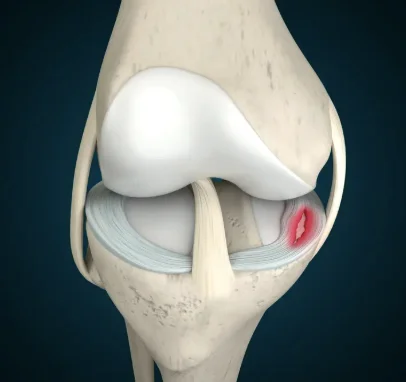
Meniscus tear is one of the most common knee injuries. Activities causing forcefully twisting knee joint, especially while putting full weight on it, can lead to a torn meniscus.
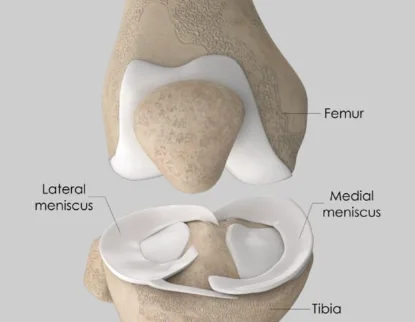
The knee joint has two C-shaped pieces of cartilage that act like a cushion between your shinbone (leg) and your thighbone (femur).
A torn meniscus causes pain, swelling, stiffness and feeling of a block to knee motion and have trouble extending your knee fully.
A torn meniscus is a very common Sports Injury. Athletes and people who play sports get meniscus tears. The injury also commonly affects older people and those with arthritis in their knees.
Conservative treatment — such as rest, ice and analgesics medication along with a protective brace are usually enough to relieve the pain of a torn meniscus and give the injury time to heal on its own.

Meniscus tear causes immediate symptoms, but it might take 24 hours or more for pain and swelling to begin, especially if the tear is small.
Contact your doctor if your knee is painful or swollen, or if you can't move your knee in the usual ways.
A torn meniscus can result from any activity that causes forcefully twisting or rotating knee joint. Doing lunges, deep squatting or lifting heavy can sometimes lead to a torn meniscus.
In elderly, degenerative changes of the knee can cause meniscus torn with little or no trauma.
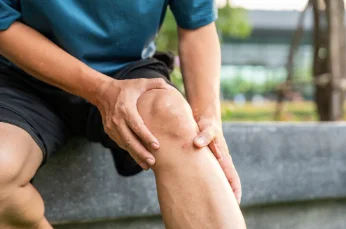
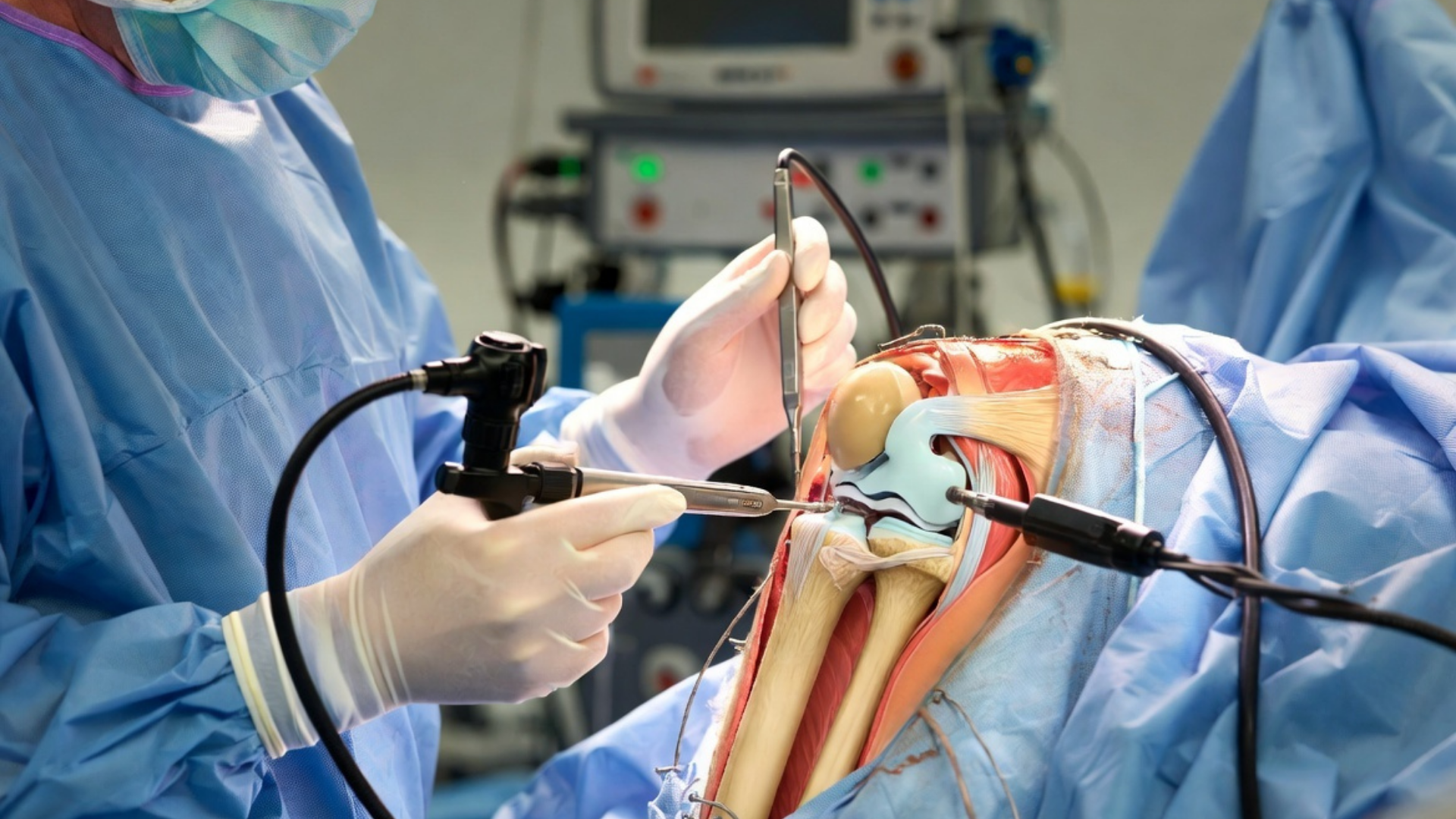
A torn meniscus if left untreated can lead to a persistent knee pain and one can develop osteoarthritis in knee joint.
A torn meniscus often can be identified during a physical exam. Your doctor might move your knee and leg into different positions and perform special tests for example: Mc murrays test , Apley's grinding test or Thessaly's test, watch you walk, and ask you to squat to help pinpoint the cause of your signs and symptoms.
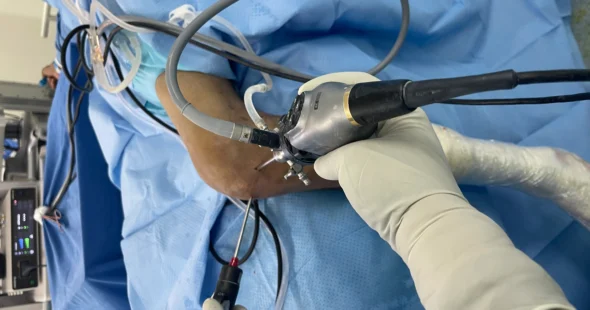
An arthroscope can be used to examine the inside of your knee. The arthroscope is inserted through a 1 cm incision on knee joint.
The device contains a light source and a small camera, which transmits an enlarged image of the inside of your knee onto a monitor. After visualising inside of knee joint and diagnosing meniscus, surgical instruments can then be inserted through additional small incisions in your knee to repair the tear.
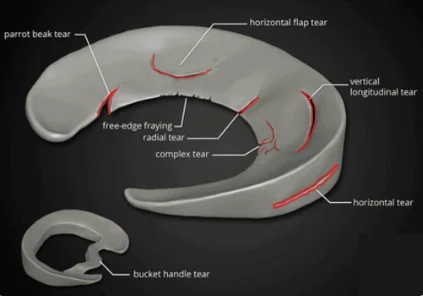
Treatment for a torn meniscus often begins conservatively, depending on the type, size and location of your tear.
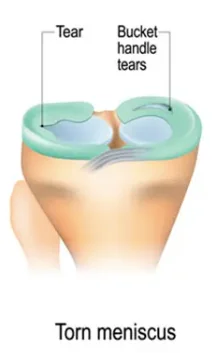
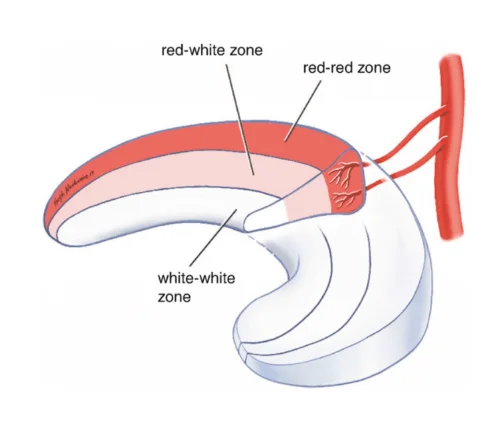
Tears associated with an underlying age related degenerative arthritis often improve over time with treatment of the arthritis, so surgery usually isn't needed. Many other tears that aren't associated with locking or a block to knee motion and which become less painful over time also don't require surgery. The tear in red – red zone and red – white zone usually causes pain and locking in knee joint should be repaired so as to restore normal kinematics of knee joint.
Physical therapy can help you strengthen the muscles around your knee and in your legs to help stabilize and support the knee joint.
Most people who tear a meniscus can return to full activity. If you have surgery to repair a torn meniscus, your knee should be fully recovered after a few months of physical therapy.
If you have surgery to remove all or part of your meniscus for an irreparable meniscus tear especially in neglected meniscus injuries then you may be at a higher risk of developing arthritis in future. That's because you now have less shock absorption in your joint and over a. period of time joint can develop arthritis
It can be hard to prevent an accidental injury. But you can reduce your risk of a torn meniscus if you:

A knee injury like a torn meniscus can be painful — and frustrating. It can slow you down and keep you from exercising, playing sports or even just walking around the house. Small tears often heal on their own, while others may require arthroscopic surgery.
Work with your sports injuries specialist doctor to develop a treatment and rehabilitation plan that gets you back to your favorite activities — without pain — safely. Most people fully recover from a torn meniscus