
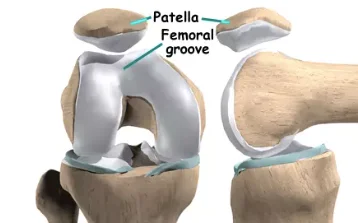
Patella / Kneecap dislocation occurs when kneecap pops sideways out of its native trochlea groove in knee joint. It's usually caused by force, from a collision, a fall or a twisting knee injury A dislocated patella is painful and will prevent you from walking, but it's easy to relocate it and sometimes it relocates by itself.
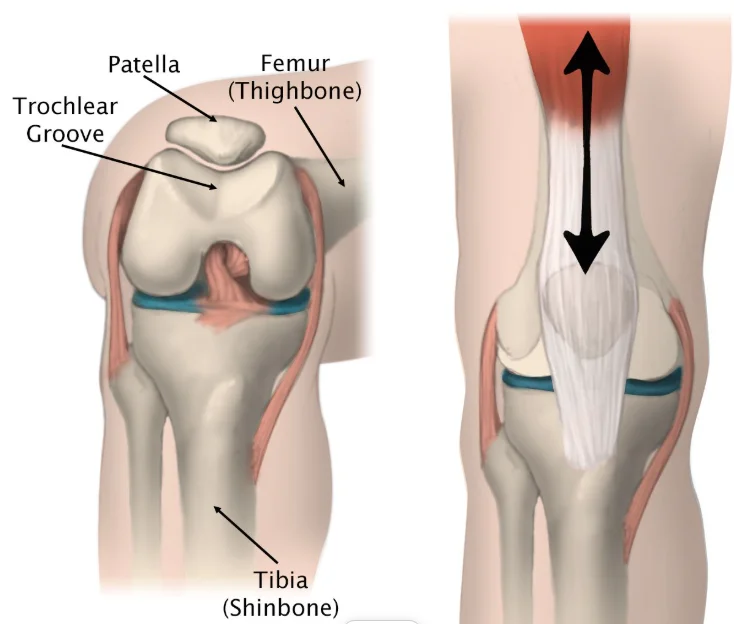
A patella dislocation occurs when your kneecap (patella) slides out of the groove at your knee joint. Knee joint is formed by three bones: thighbone (femur), shinbone (tibia) and patella in the middle. Normally, when you bend and straighten your leg, your kneecap slides up and down inside a vertical groove (the trochlear groove) between the bottom end of your femur and the upper end of your tibia. A group of tendons and ligaments stabilize patella within the groove, prevents its dislocation.
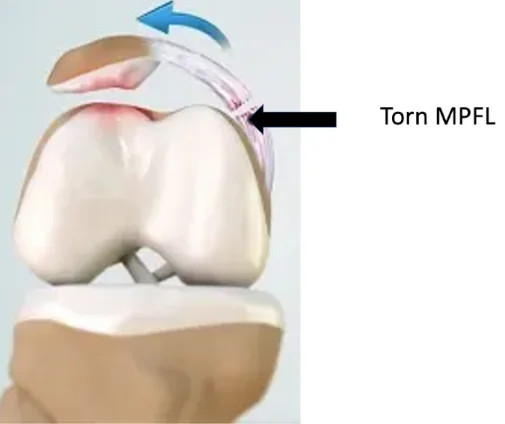
When the patella dislocates, it's forced outside of the trochlear groove and can no longer move up and down. This locks your knee and pulls the ligaments out of place, often tearing them. Most frequently, patella dislocates laterally (outer side of knee joint).
Dislocated patella is very painful and debilitating until it relocates back. But a dislocated patella will sometimes correct itself.
Patellar dislocation symptoms may include:
Long-term complications may include a less stable knee joint and deteriorate cartilage which can lead to knee osteoarthritis later in life.
40% of people who've experienced a patella dislocation will dislocate their knee again. This recurrence can happen from weeks to years later.
Orthopaedics surgeon specializing in sports injuries can easily diagnose a dislocated kneecap by physically examining your knee and asking you questions about the injury. Investigations can be done to plan right treatment and to check for any related injuries, like torn ligaments, cartilage injuries or fractures and to check knee alignment like in pre-existing knock knees (genu valgum) or high riding patella (patella Alta).
If your dislocated patella corrected itself, you might not realize that it was dislocated. A dislocation that corrects itself is called "transient." Afterward, your knee will still be sore and swollen, but it may look like many other more common knee injuries. In this case, imaging tests can show evidence after the fact that there was a dislocation, along with secondary injuries.
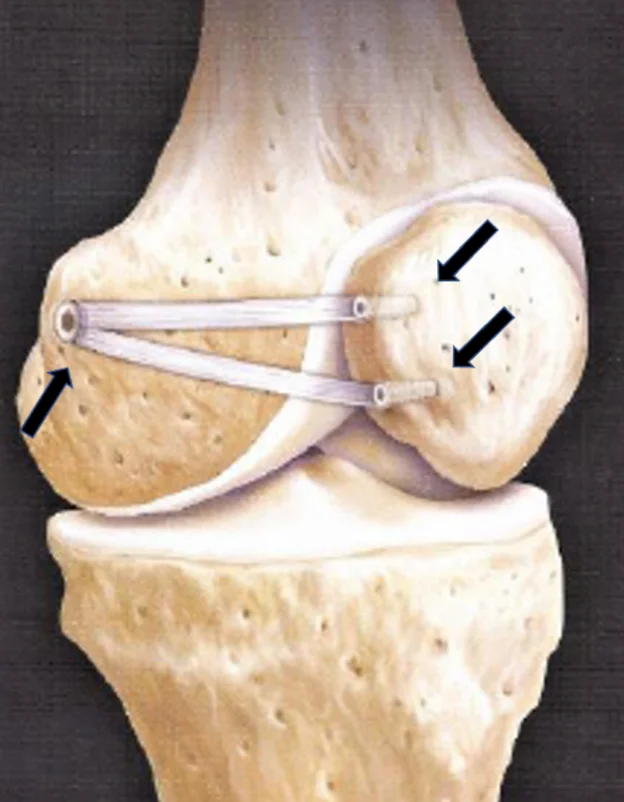
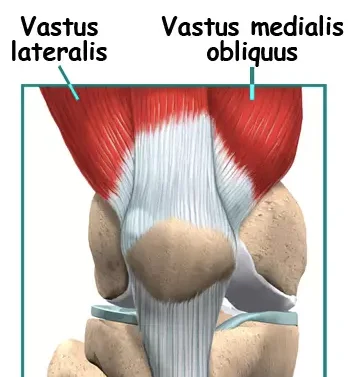
Patellar dislocation treatment starts by resting your knee. Don't try to walk on it or perform any of your usual physical activities. You may also want to use an ice pack and take pain relievers (NSAIDs) to help with the pain and swelling. Your healthcare provider may treat the kneecap dislocation using several different methods:
If you think you may have dislocated your kneecap, or if you are dislocation knee cap frequently then you should see your provider. Look for signs including:
Recovery time for a dislocated kneecap depends on the severity of your injury and method of treatment.
If this is your first patella dislocation and there's no major damage, your prognosis (outlook) is good. Most people will be able to get back to their normal, daily activities within six to eight weeks. You can usually participate in sports after three to four months.
If you have recurring dislocations or major damage that requires surgery, your recovery time will take longer. It will usually take 6 months to 12 months before you return to playing sports.
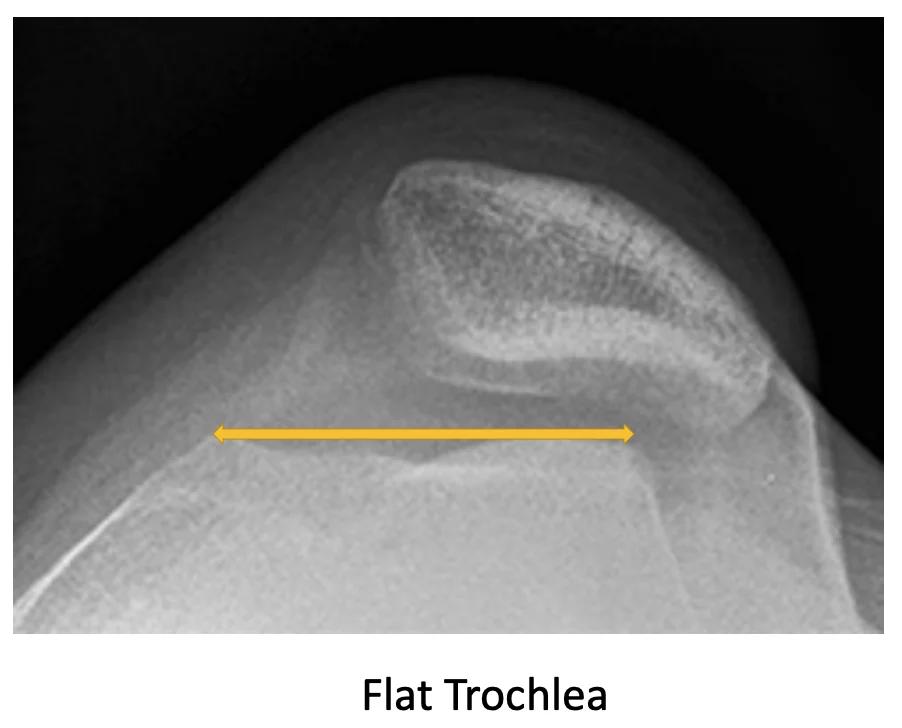
All dislocations stretch your ligaments and deteriorate the cartilage of your joints to some extent. Once you dislocate your patella, it's more likely to happen again if you reinjure it in a similar way. Accidents are hard to prevent, but sometimes there are contributing factors that you can try to reduce. Depending on what made your patella dislocate in the first place, you may want to take one or several of these preventive measures:
Dislocations are often very painful, but there's a range. It depends on the extent of the injury. It'll always be painful to move the dislocated joint or bear weight on it. You won't be able to use the limb normally until you correct the joint.
If your dislocated patella corrects itself, your pain and mobility may improve. But you should still see your healthcare provider. They'll check for secondary injuries to your ligaments and guide you through the longer rehabilitation process.
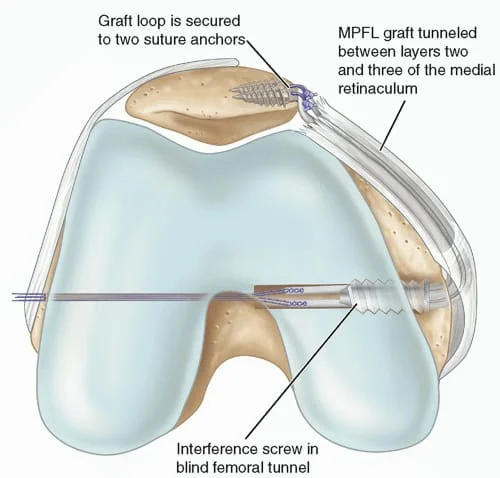
Recurrent patellar dislocation occurs when the kneecap—the patella—repeatedly slips out of its groove (trochlear groove), resulting in instability. Recurrent episodes become more likely once the medial patellofemoral ligament (MPFL) is damaged or stretched. This condition often affects adolescents and young adults, especially athletes.
Symptoms often include sharp knee pain, swelling, a feeling of instability ("giving way"), and sometimes visible displacement of the kneecap followed by spontaneous relocation.
In cases where conservative methods including muscle strengthening had failed to prevent Patella to dislocate then after proper planning and investigations including MRI knee joint and special knee x-rays to evaluate underlying cause should be done before going for right surgery.

A dislocated patella is a painful injury. You may be able to pop your kneecap back into place yourself, but you should still consult Sports injuries orthopaedic surgeon for treatment. Doctor will recommend you to give rest to knee joint and get physical therapy to strengthen your muscles, tendons and ligaments. More serious injuries may require surgery and extended rehabilitation. With time, you'll be back to normal life and continue with sports.